
© BnF | Bibliothèque nationale de France
Fluchtpunkt Paris
Rogi André » Gisèle Freund » Madame d'Ora (Dora Kalmus) »
Exhibition: 15 Oct 2026 – 7 Feb 2027

LVR LandesMuseum Bonn
Colmantstr. 14-16
53115 Bonn
0228-20700
info.landesmuseum-bonn@lvr.de
www.lvr.de/landesmuseum-bonn
Tue-Sun 11-18
© Photo Gisèle Freund / Imec / Fonds MCC
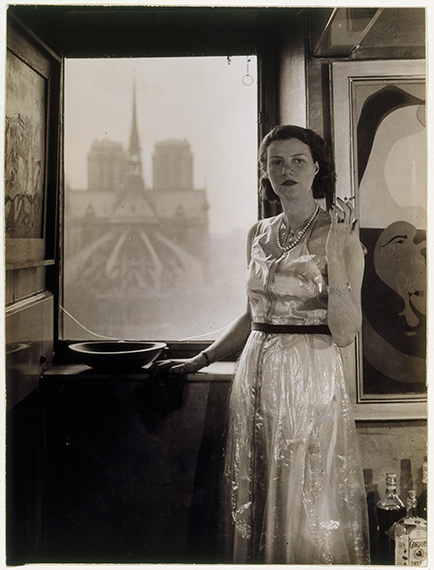
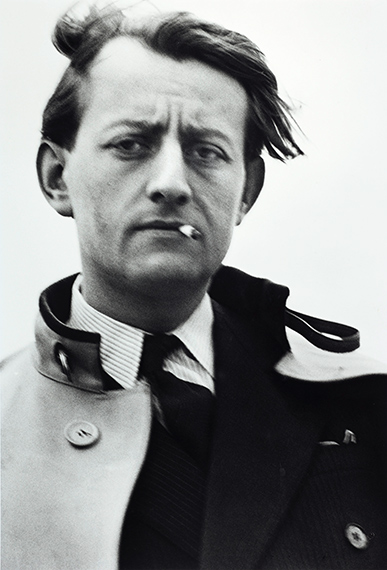
During the 1920s, Paris attracted intellectuals and artists from across Europe, including the young photographers Gisèle Freund, Rogi André and Dora Kallmus, also known as Madame d’Ora. The three artists immersed themselves in the vibrant cultural life of the metropolis and captured it in striking photographs. Beyond the artistic and intellectual circles in which they moved, they shared their Jewish heritage and the experience of persecution and exile. The exhibition Fluchtpunkt Paris traces the artistic development of the three photographers, brings their work into dialogue and explores their similarities and differences. It focuses on the photographic genres to which Freund, André and d’Ora all devoted themselves, albeit to varying degrees and with distinct visual languages.
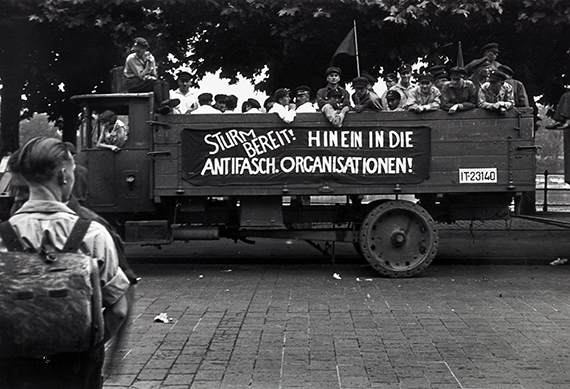
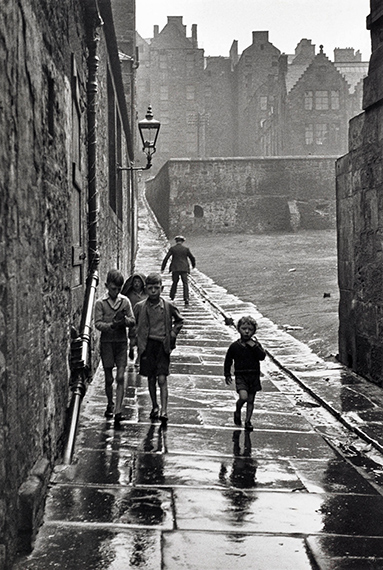
Portrait photography was central to all three artists. They also worked in fashion, nude and dance photography. In 1940, shortly before German troops entered Paris, Freund photographed elegant Parisian fashion shows, entering a world in which d’Ora had already been at home for many years. A further major focus was socially engaged documentary photography: Freund, André and d’Ora repeatedly sought out places where social tensions and political conflicts were laid bare. Their photographs offer striking insights into the eventful lives of three artists between the end of the First World War and the reordering of Europe after 1945. They tell stories of a confident new beginning in avant-garde Paris, of women’s emancipation and artistic mission, of persecution and the looming threat of deportation, of elegance and passion, of resignation and despair, of great courage and social commitment. Above all, the photographs bear witness to diverse strategies of survival, of carrying on with life and of continuing to work.
The exhibition has been made possible with the support of the Institut Mémoires de l’édition contemporaine (IMEC), the Bibliothèque nationale de France and the Museum für Kunst und Gewerbe Hamburg. The accompanying programme is supported by the Institut français in Bonn.
© Photo Gisèle Freund / Imec / Fonds MCC
Während der 1920er-Jahre zog Paris Intellektuelle und Kunstschaffende aus ganz Europa an – so auch die jungen Fotografinnen Gisèle Freund, Rogi André und Dora Kallmus alias Madame dʼOra. Die drei Künstlerinnen widmeten sich dem pulsierenden Kulturleben der Metropole und hielten es in eindrucksvollen Aufnahmen fest. Jenseits der künstlerischen und intellektuellen Milieus, in denen die drei Frauen verkehrten, verband sie ihre jüdische Herkunft sowie die Erfahrung von Verfolgung und Exil.
Die Ausstellung "Fluchtpunkt Paris" zeichnet die künstlerischen Entwicklungen der drei Fotografinnen nach, bringt ihre Werke miteinander ins Gespräch und fragt nach Gemeinsamkeiten wie Unterschieden. Im Mittelpunkt stehen jene fotografischen Gattungen, denen sich Freund, André und dʼOra gleichermaßen widmeten, wenn auch in unterschiedlichen Intensitätsgraden und mit variierenden Bildsprachen.
Die Porträtfotografie war für Freund, André und dʼOra gleichermaßen zentral. Daneben widmeten sie sich der Mode-, Akt- und Tanzfotografie. Noch kurz vor dem Eintreffen deutscher Truppen in Paris fotografierte Freund 1940 elegante Pariser Modeschauen, womit sie eine Welt betrat, in der dʼOra bereits seit vielen Jahren zu Hause war. Einen weiteren Schwerpunkt bildete die sozialkritische Reportagefotografie: Freund, André und dʼOra suchten immer wieder jene Orte auf, an denen sich soziale Spannungen und gesellschaftspolitische Konflikte schonungslos zu erkennen gaben.
Die Aufnahmen spiegeln exemplarisch die wechselvollen Biografien dreier Künstlerinnen im Zeitraum zwischen dem Ende des Ersten Weltkriegs und der Neuordnung Europas nach 1945. Sie erzählen von einem selbstbewussten Aufbruch im Paris der Avantgarde, von weiblicher Emanzipation und künstlerischer Mission, von Verfolgung und drohender Deportation, von Eleganz und Leidenschaft, von Resignation und Verzweiflung, von großem Mut und sozialkritischem Engagement. Nicht zuletzt zeugen die Fotografien von vielfältigen Strategien des Überlebens, Weiterlebens und Weiterarbeitens.
Die Ausstellung entsteht mit Unterstützung des Institut Mémoires de l'édition contemporaine (IMEC), der Bibliothèque nationale de France und des Museums für Kunst und Gewerbe Hamburg. Das Rahmenprogramm wird unterstützt vom Institut français in Bonn.
© Photo Gisèle Freund