
Ekō - Japan in two visual narratives
Felice Beato » Anaïs López »
Exhibition: 5 Mar – 30 Aug 2026
Scheepvaartmuseum
Kattenburgerplein 1
1018 KK Amsterdam
+31 (0)20-5232222
info@scheepvaartmuseum.nl
www.hetscheepvaartmuseum.com
Tue-Sun 10-17
In two visual narratives, early photographs of Japan from the museum's own collection, including those by Felice Beato, echo in the contemporary work of photographer and visual artist Anaïs López.
Felice Beato
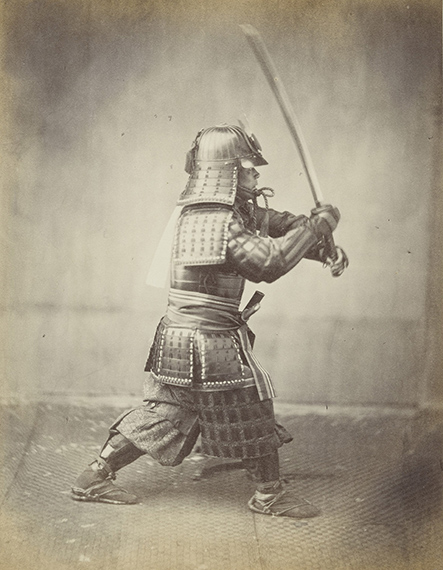
In 1859, photography flourished in Japan after the country opened its ports to international trade. As gateways to areas still unknown to the West, port cities were inextricably linked to photography. The photographs collected there by Dutch consul Dirk de Graeff van Polsbroek (1833-1916) are among the oldest in Japan. De Graeff did not take photographs himself, but was indispensable to the most influential foreign photographer of the time: Felice Beato (1832-1909). From a European perspective, the British-Italian Beato created a carefully staged image of Japan that met the expectations of a Western audience. Beato deliberately leaves signs of growing modernization out of the picture. The dissemination and repetition of his images creates a visual blueprint of a supposedly exotic country. That blueprint continues to influence photographers and artists to this day.
Echo
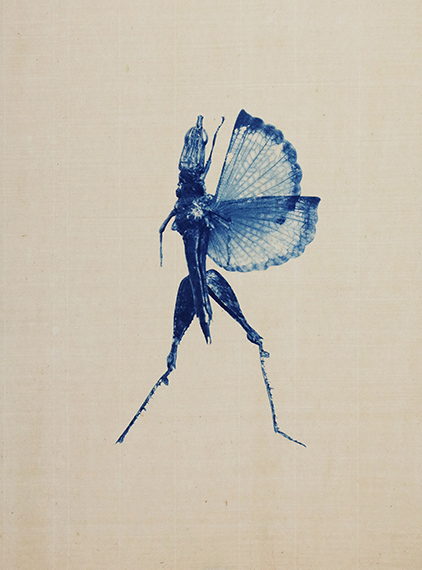
When artist Anaïs López travelled to Japan in 2016, she unknowingly brought Beato's images, whose work resonate in her photography like an echo (Ekō) from the distant past. In search of the golden turtle Kami, López followed the Kamo River and ventured into the mountains. During her journey, she drew inspiration from a local artist and centuries‐old techniques, allowing a new visual language to unfold. The Turtle and the Monk reveals an artist turning their gaze inward to tell a layered story about grief, the urge to control nature, and the magic of imagination.
The consul and the photographer
The exhibition features the three photo albums that Dirk de Graeff van Polsbroek left behind from his time in Japan. Among them is the oldest album produced by Beato in Japan (1863). In his later Views of Japan (1868), Beato collaborated with Japanese experts from (woodblock printing) studios, who coloured the photographs by hand, building on existing Japanese visual traditions.
The photographs in De Graeff's albums are of great cultural and historical value. They were produced during the Bakumatsu, the period in which Japan rapidly transformed from a feudal state into a modern empire. De Graeff's albums serve as a primary source for research into early photography in Japan. In the exhibition, the museum highlights the role that the Dutch diplomat played in the creation of Beato's early images.
Artist Miyuki Okuyama was inspired by Dirk de Graeff van Polsbroek's albums and created Imagined Nostalgia. This work is based on personal memories of her homeland, Japan. Okuyama used Felice Beato's souvenir photographs and paintings on paper and silk by Japanese artists. In Imagined Nostalgia, she explores the interaction between these two art forms and the motifs from everyday life that Beato drew from Japanese visual traditions.